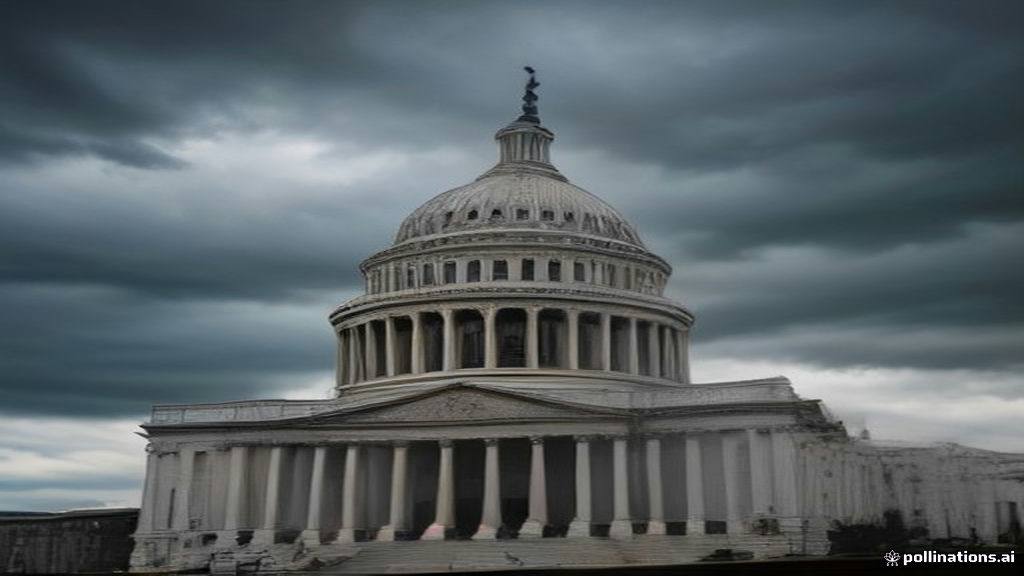
The 2026 midterm election results have sent shockwaves through the American political landscape as the Democratic Party secured control of both the U.S. House of Representatives and the U.S. Senate. High voter anxiety regarding the cost of living and the ongoing war in Iran appears to have fueled a massive shift in power, leaving Republican leadership searching for answers amid a series of high-profile defeats.
Internal Criticism Following Republican Party Collapse
Prominent figures within the GOP are openly criticizing the party's strategy and messaging. Former House Speaker Newt Gingrich characterized the outcome as a "failed performance election" on social media, suggesting that the administration's focus on social issues failed to resonate with a public more concerned about their finances. According to Gingrich, voters were significantly more preoccupied with their own economic stability than with the rhetoric regarding socialism or religious concerns.
Senator Ted Cruz of Texas offered an even more stinging assessment on his 'Verdict' podcast, describing the losses as a "Watergate-level repudiation" of the party. Cruz noted that the defeat was not caused by a lack of voter turnout, but rather by Republicans, Libertarians, and Independents actively choosing to vote for Democrats. He cited the rising costs of food, gas, diesel, and insurance as the primary reasons for the electoral backlash, arguing that many Republican politicians appeared indifferent to the financial struggles of working people.
Pentagon Tensions and the Iran War Impact
Inside the White House, the fallout from the election has led to reports of significant internal friction. While President Donald Trump has largely avoided public appearances following the vote, reports suggest he is seeking to assign blame for the electoral defeat. Although Defense Secretary Pete Hegseth has maintained the president's support despite various past controversies, other high-ranking military officials may face dismissal.
Key figures currently under scrutiny include:
* General Dan Caine, Chairman of the Joint Chiefs of Staff.
* Admiral Brad Cooper, who has been a primary overseer of the conflict in Iran.
Despite the political toll of the war in Iran, Trump reportedly told members of the media that he would not have changed his course of action regarding the conflict. Meanwhile, in Tehran, the election results were celebrated by officials such as Parliamentary Speaker Mohammad Bagher Ghalibaf, who framed the outcome as a direct rejection of the war.
Democratic Gains in State Legislatures and Key Races
The "blue wave" extended far beyond Washington D.C., reaching deep into state capitals. Democrats achieved historic victories in state legislatures, gaining control of governments in areas where they have been locked out of power for decades. Mandara Meyers, executive director of the States Project, noted that the night represented the most significant shift in state legislative power since 2010.
Notable state-level shifts include:
* Arizona: Democrats won full control of the government for the first time in 60 years.
* Pennsylvania: The party secured its first full trifecta since the 1990s.
* Texas: Democrats are projected to control the State House for the first time since 2002.
* Wisconsin, Michigan, and Minnesota: Democrats regained or solidified control of state governments.
In Colorado’s 4th Congressional District, Democrat Eileen Laubacher currently leads Republican incumbent Lauren Boebert by more than 2,000 votes with 95% of ballots counted. This represents a massive 19-point swing toward the Democratic Party compared to the 2024 election cycle.
Reproductive Rights and Ballot Measures
Voters also weighed in on several critical social issues, particularly reproductive rights. In Nevada, a constitutional amendment was approved to protect abortion access through the second trimester. Similarly, Virginia voters established a fundamental right to reproductive freedom, which includes protections for contraception and fertility care.
In Missouri, voters rejected Amendment 3, a measure that would have overturned existing reproductive protections and restricted abortion to cases of rape and incest within the first 12 weeks. However, in Idaho, an effort to repeal the state's existing abortion ban was defeated, leaving the current restrictions in place.
International and Economic Reactions
The shift in U.S. Congress has also drawn attention from international leaders. Ukrainian President Volodymyr Zelenskyy expressed optimism that the new legislative makeup could result in increased support for Ukraine. Domestically, the results have raised questions about the future of major tech figures. Democratic representatives, such as Greg Casar of Texas, have suggested that the new majority will focus on holding "AI billionaires" and tech oligarchs accountable, following their heavy involvement in the election cycle.
Frequently Asked Questions
Who won control of Congress in the 2026 midterms?
Based on the latest results, the Democratic Party has won control of both the U.S. House of Representatives and the U.S. Senate.
What were the primary issues that influenced the 2026 midterm election results?
Political analysts and lawmakers, including Ted Cruz and Newt Gingrich, point to the high cost of living—specifically food, gas, and insurance—and the unpopularity of the war in Iran as the deciding factors.
Which states saw major shifts in their state legislatures?
Democrats gained significant power in Arizona, Pennsylvania, and Texas, while also securing control in Wisconsin, Michigan, and Minnesota.