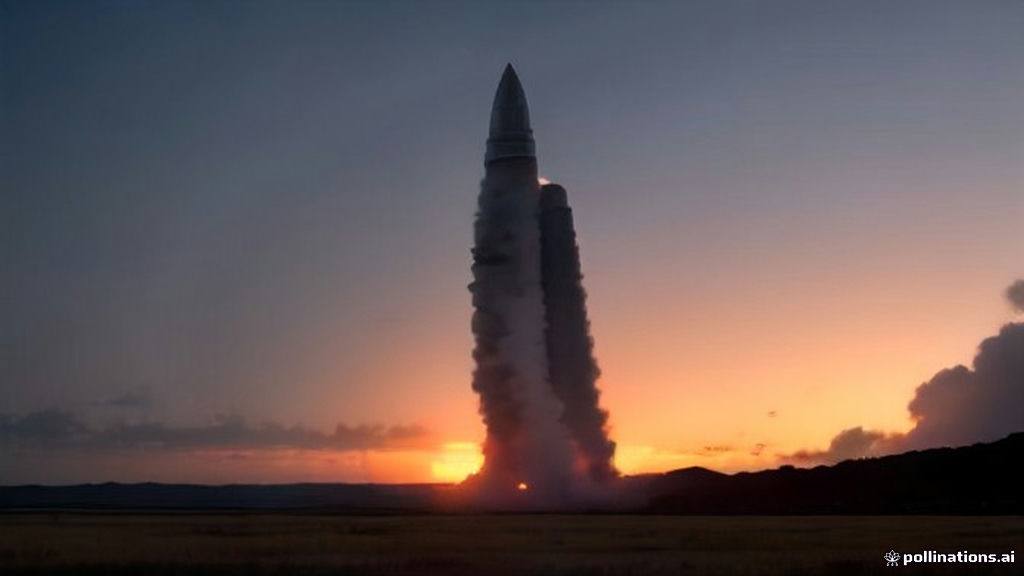
As SpaceX accelerates the development of its colossal next-generation launch system, the private aerospace giant is preparing to leave older technology behind, potentially threatening NASA's primary means of transporting astronauts to orbit. SpaceX Starship represents the future of commercial space exploration, but its rapid iteration could inadvertently strand America's civil space program just as the International Space Station approaches its final operational years.
Industry observers and aerospace analysts note that digital interest has surged around terms like SpaceX Falcon 9 retirement, NASA ISS crew transport gap, and Elon Musk Starship Mars rocket. This transition marks a dramatic pivot for a company that once relied heavily on government contracts to survive, transforming into a global telecommunications and deep-space infrastructure titan.
The Strategic Shift from Falcon to Starship
For more than a decade, the workhorse Falcon 9 rocket and its accompanying Dragon crew capsule have served as the backbone of American human spaceflight. Following the retirement of the Space Shuttle fleet, NASA invested heavily in commercial partnerships to regain domestic crew-launch capabilities. SpaceX answered the call, saving NASA billions while establishing an unblemished record of reliable transport to the orbiting laboratory.
However, corporate priorities at SpaceX have shifted dramatically. Driven by the explosive financial success of the Starlink satellite internet constellation and burgeoning artificial intelligence initiatives, traditional rocket launching has become a secondary revenue stream. Company leadership has openly stated that maintaining legacy systems diverts critical engineering talent away from the Starship program, which company founder Elon Musk envisions as the vessel that will finally carry humanity to Mars.
Economic Realities and the Commercial Human Spaceflight Market
Building certified crew capsules is an extraordinarily expensive and time-consuming endeavor. According to aerospace research firms, NASA remains virtually the only entity willing to subsidize human-rated capsule development, creating a stagnant commercial market for orbital crew transport.
- Financial Disparity: Starlink and emerging enterprise sectors generate billions annually, dwarfing the relatively modest revenue contributions from NASA human spaceflight contracts.
- The Minivan Analogy: SpaceX President Gwynne Shotwell famously compared the Falcon 9 and Dragon pairing to a minivan—ideal for short trips to the space station, but entirely inadequate for six-month deep-space transits.
- Impending Launch Gap: Market analyses warn of a potential 150-launch deficit globally by 2030 as SpaceX phases out its older rocket architecture.
- Pentagon Reassurances: The U.S. Space Force maintains that existing military payloads are secured through 2028, though national security planners are actively eyeing alternative launch providers.
- The Boeing Alternative: With Starliner facing persistent technical delays and safety scrutiny, relying on competitors to bridge the astronaut gap remains a high-stakes gamble for Washington.
Historical Context: From Near-Bankruptcy to Market Dominance
To understand the gravity of the current situation, one must look back to December 2008. Amid multiple Falcon 9 test failures and facing imminent bankruptcy, SpaceX received a life-saving Commercial Resupply Services contract from NASA. Elon Musk has frequently recounted how that crucial injection of capital saved the firm from financial ruin.
Decades later, the power dynamic has entirely inverted. While historical loyalty to NASA remains a topic of debate among space policy circles, modern corporate governance at SpaceX is driven by aggressive technological obsolescence and interplanetary ambitions. Retiring the Falcon fleet allows engineers to focus entirely on achieving a launch cadence of multiple flights per day for Starship.
What Happens Next for NASA and the Space Station
NASA currently holds contracts with SpaceX for a limited number of remaining Dragon flights, securing astronaut access through 2028 under standard six-month rotation schedules. Because the International Space Station itself is scheduled for a controlled decommissioning and deorbit by 2030, the window for seamless crew rotation is remarkably narrow.
If SpaceX winds down Falcon operations ahead of schedule, NASA will be forced to look toward alternative aerospace contractors. Whether struggling competitors can accelerate their own crew-rated vehicles to fill the void remains one of the most pressing questions in modern American aerospace policy.
Frequently Asked Questions
Why is SpaceX planning to retire the Falcon 9 rocket?
SpaceX aims to consolidate all engineering, manufacturing, and launch infrastructure around the heavy-lift Starship rocket to support interplanetary travel and rapid commercial scaling. Maintaining older legacy systems like the Falcon 9 draws vital resources away from these high-priority corporate goals.
How will NASA astronauts reach the International Space Station without SpaceX Dragon?
NASA currently relies entirely on SpaceX's Dragon capsule for domestic crew transport. If those flights cease before the ISS retires in 2030, the space agency would need to depend on alternative providers like Boeing's Starliner or negotiate contingency arrangements, provided other vehicles achieve full safety certification.
What impact does the Falcon phaseout have on national security launches?
While the U.S. Space Force has secured military satellite launches through 2028, defense planners are actively evaluating secondary launch providers to prevent a capacity crunch as commercial demand continues to surge globally.