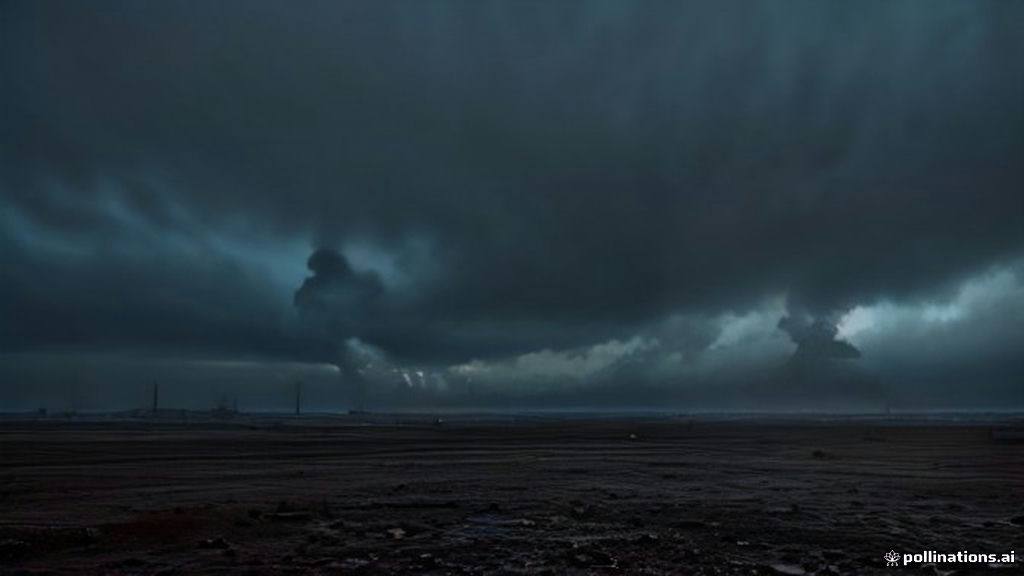
The Donbas dilemma stands as the geopolitical epicenter of the ongoing war in Eastern Europe, capturing global attention as both Moscow and Kyiv refuse to relinquish control over the heavily industrialized region. Situated along the border of Eastern Ukraine, the Donbas—comprising the Luhansk and Donetsk oblasts—represents far more than a mere territorial dispute; it is a battle for economic survival, national identity, and strategic dominance that continues to shape the geopolitical landscape of the twenty-first century. As international diplomats scramble for a viable peace framework, understanding the deep-rooted historical and material motivations driving this relentless conflict remains critical for observers tracking international security and foreign policy.
As digital interest surges worldwide, search engine algorithms indicate that everyday citizens are actively tracking terms like Ukraine war updates, Donbas region conflict, Russia Ukraine peace talks, geopolitical impact of Donbas, and eastern Ukraine industrial loss, reflecting a deep public desire to comprehend the complex forces fueling the continuation of hostilities.
Historical Roots and Industrial Significance of Eastern Ukraine
The roots of the current crisis extend far beyond the 2022 full-scale invasion, stretching back to the dissolution of the Soviet Union and the complex socio-cultural ties binding eastern Ukraine to Russia. Historically, the Donbas emerged as a powerhouse of coal mining and heavy metallurgy during the nineteenth and twentieth centuries. The region's dense network of factories, ironworks, and massive coal reserves made it the economic engine of the Ukrainian Soviet Socialist Republic and, subsequently, an indispensable asset for independent Ukraine. When Kremlin-backed separatists first seized parts of Donetsk and Luhansk in 2014, the region was already contributing a disproportionate share of Ukraine's heavy industrial output. Losing these vast mineral resources permanently would deliver a catastrophic blow to any future economic recovery for Kyiv, transforming the country from an industrial exporter into an aid-dependent state.
Strategic Imperatives for Moscow and Kyiv
For Russian leadership, retaining and expanding control over the Donbas is framed through the lens of historical revisionism, domestic political legitimacy, and securing a land bridge to the Crimean Peninsula. President Vladimir Putin has repeatedly invoked the defense of Russian-speaking populations as a primary justification for military operations, while simultaneously aiming to absorb the region's formidable industrial infrastructure into the Russian Federation's economic fold. Conversely, Ukrainian President Volodymyr Zelenskyy and his administration view the complete liberation of the Donbas as a non-negotiable prerequisite for state sovereignty and territorial integrity. Compromising on these borders, Kyiv argues, would not only reward unprovoked aggression but also expose the rest of the country to future incursions.
- Economic Vitality: The Donbas houses critical coal deposits, steel mills, and manufacturing plants vital for national rebuilding efforts.
- Strategic Land Bridge: Control of the territory secures logistical supply routes connecting mainland Russia to the annexed Crimean Peninsula.
- Sovereignty Concerns: Kyiv maintains that ceding eastern lands sets a dangerous global precedent that violates international law and the UN Charter.
- Demographic Factors: The region features historically mixed populations with deep linguistic and cultural connections to both nations.
- Geopolitical Leverage: Both sides recognize that the outcome of this specific regional battle will dictate the final terms of any future European security architecture.
The Human Toll and International Economic Fallout
Beyond the maps and political posturing, the human cost of the Donbas dilemma has been staggering. Millions of residents have been displaced since fighting first broke out a decade ago, turning thriving industrial cities into desolate ghost towns pocked by artillery craters and ruined infrastructure. The international community has responded with unprecedented economic sanctions against Moscow, decoupling European energy markets from Russian supply and forcing a radical reevaluation of global trade pathways. Supply chains for agricultural commodities, metals, and critical raw materials have experienced severe volatility, driving inflation across Western economies and prompting increased defense spending among NATO member states.
What Comes Next in the Eastern European Stalemate
- Protracted Conflict Dynamics: Military analysts predict a grinding war of attrition, with neither side possessing the decisive combat power for an immediate breakthrough.
- Diplomatic Pressures: Behind-the-scenes negotiations led by international partners continue to explore tentative ceasefire formulas and demilitarized zones.
- Reconstruction Planning: Multilateral institutions are already drafting multi-billion-dollar blueprints for the eventual restoration of housing, energy grids, and industrial hubs.
Frequently Asked Questions
What is the Donbas dilemma and why is it so important?
The Donbas dilemma refers to the intractable geopolitical and economic struggle between Russia and Ukraine over the coal- and steel-rich Donbas region. It is crucial because the area represents both a vital economic engine for Ukraine's future and a key strategic and ideological objective for Moscow's expansionist goals.
Why won't Ukraine give up the Donbas region?
Kyiv refuses to surrender the territory because doing so would violate its constitutional sovereignty, reward foreign military aggression, and permanently cripple its industrial and manufacturing capabilities. Giving up the region would also leave millions of Ukrainian citizens under foreign occupation.
*
How does the control of Donbas affect the global economy?
Control over the region impacts global supplies of steel, coal, and agricultural goods, while fueling prolonged sanctions that have reshaped international energy markets, heightened inflation, and driven up defense expenditures worldwide.