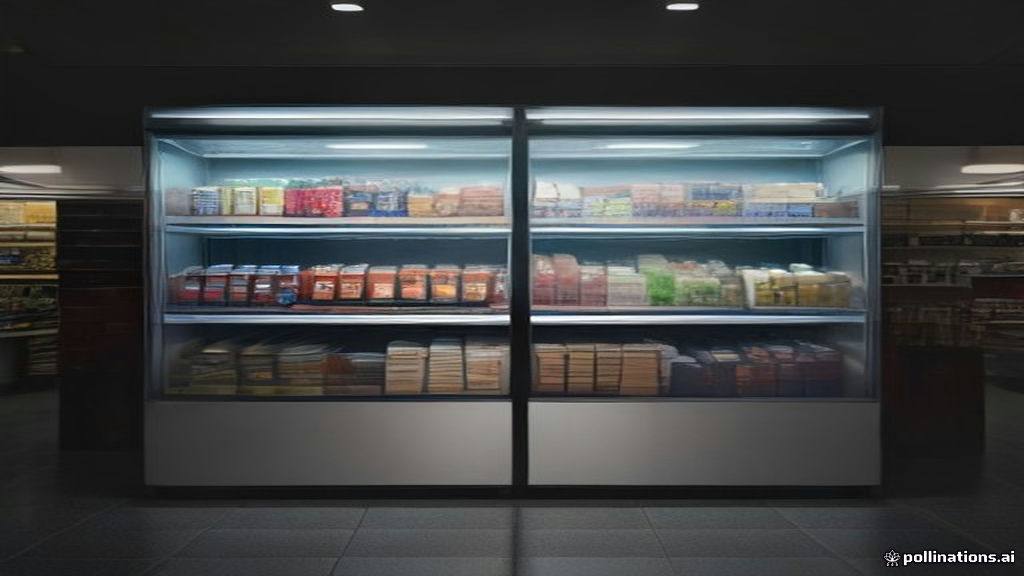
Grocery store chains across Belgium, Luxembourg, Sweden, and the Netherlands experienced unexpected temperature spikes in refrigeration and freezer units on Monday, resulting in ruined food. This marks the second time in less than a month that European supermarkets have faced similar disruptions, raising concerns regarding the security of interlinked retail infrastructure.
Retailers Hit Across Multiple European Nations
The latest wave of incidents affected major operations, including Netherlands-based food retailer Ahold Delhaize and Colruyt in Belgium. Representatives confirmed that an IT incident overnight caused cooling systems to malfunction across dozens of stores in Belgium and Luxembourg. Simultaneously, Swedish chains ICA and Coop reported similar temperature fluctuations that forced locations to discard spoiled items.
According to reports from the Reuters news agency, Ahold Delhaize previously reported a cybersecurity incident to police in the Netherlands in October after detecting suspicious activity within its infrastructure. Delhaize spokesperson Sarah De Meester noted that the company observed temperature increases in cooling systems on Monday morning.
Sabcobel Points to Refrigeration Hack
Sabcobel, a Belgian refrigeration company operating systems for Delhaize and other chains, stated that a cyberattack was responsible. Stephan Moelans, CEO of Sabcobel, told Belgium's Belga news agency that the units' evaporators were switched into defrost mode.
- Technicians were mobilized at 1 a.m. to regain control of the affected systems.
- Units were disconnected from the network throughout the night and morning.
- Many units will require physical modifications and further investments to protect against vulnerabilities.
In Sweden, an ICA store located in Sjobo explicitly blamed a cyberattack on social media, stating that cooling units were altered to reach 50 degrees Celsius (about 122 degrees Fahrenheit). Swedish chain Coop reported that six of its approximately 800 stores experienced partial impairment or total failure, though spokesperson Carlos Cancino stated the company had no immediate confirmation of a cyberattack.
Context From Prior Incidents in France
The Monday disruptions follow a similar occurrence less than three weeks prior, when major French supermarket chains including E. Leclerc, Intermarché, and Cooperative U reported being targeted by a cyberattack. Those incidents caused refrigerator temperatures to soar as high as 122 degrees Fahrenheit across hundreds of locations.
During the French incident, refrigeration control systems manufactured by Danish company Danfoss were targeted, which prosecutors in Paris confirmed also sparked fires due to overheating equipment. To date, no group has claimed responsibility for any of the hacks targeting grocery retailers in Europe.
Following the French supermarket disruptions, European Union food and agriculture commissioner Christophe Hansen posted on X that food security requires increased attention, calling the exploitation of networked system vulnerabilities a new reality. Cooperative U CEO Dominique Schelcher similarly described the targeting of essential fresh product preservation equipment as an unprecedented event of extreme gravity.
Frequently Asked Questions
What happened to the grocery store refrigerators in Europe?
Refrigerators and freezers in grocery stores across Belgium, Luxembourg, Sweden, and the Netherlands suffered unexpected temperature spikes, ruining food and forcing stores to discard spoiled items.
Which companies and countries were affected by the recent incidents?
Ahold Delhaize and Colruyt in Belgium and Luxembourg, along with ICA and Coop in Sweden, reported sudden temperature increases in their cooling systems.
Were these incidents linked to previous grocery store hacks?
The events follow a similar incident less than three weeks prior where French supermarket chains reported cyberattacks on refrigeration control systems that also caused temperatures to soar and resulted in discarded food.