Federal watchdogs have issued a sharp warning this November 2026, revealing that ICE detention spending has surged into the tens of billions of dollars without adequate financial oversight, cost-effectiveness analyses, or up-to-date budgetary blueprints. According to a newly published Government Accountability Office (GAO) investigation, U.S. Immigration and Customs Enforcement has rushed to scale up its detention capacity following massive legislative funding injections, leading to questionable real estate acquisitions, potential overpayments for industrial properties, and heavily criticized operations at high-security military outposts.
As taxpayers and policy analysts examine the fallout from these revelations, digital interest has spiked across search engines. Citizens are actively typing terms like GAO immigration audit, ICE warehouse purchases investigation, Fort Bliss detention center cost, and Guantanamo Bay ICE detainees into their search bars to understand how federal dollars are being deployed.
The Anatomy of a Multi-Billion-Dollar Expansion
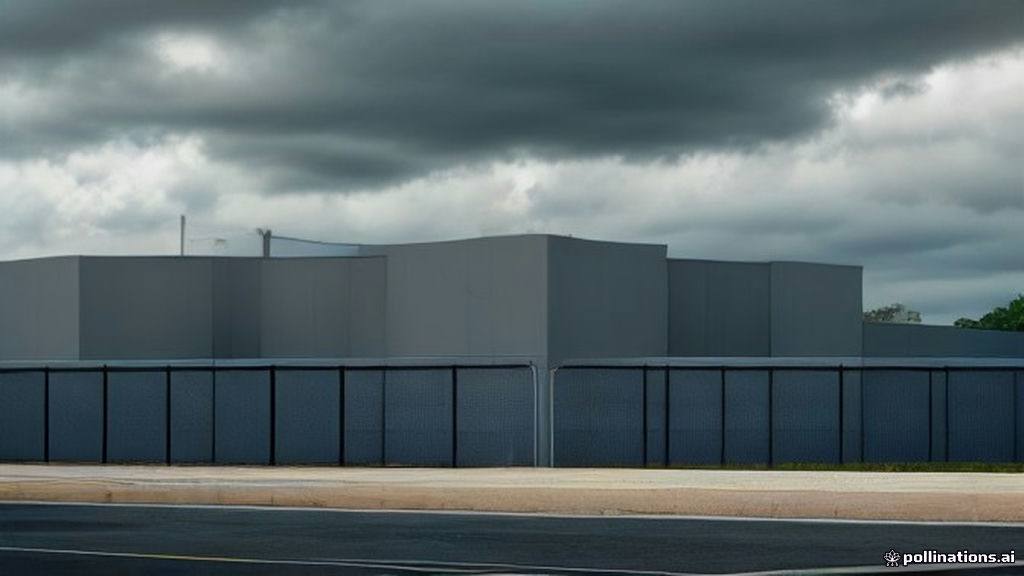
The scrutiny centers on how ICE managed a massive $45 billion allocation funneled into detention operations under recent legislative acts and executive directives. Federal watchdogs discovered that the agency aggressively acquired industrial properties—including 11 massive warehouses intended for conversion into detention centers—for a staggering $1.07 billion. However, poor planning quickly became apparent when the agency abruptly scaled back the initiative and listed seven of those same properties for potential resale.
Auditors highlighted jarring discrepancies in property valuation. For nine of the acquired warehouses, ICE shelled out at least 50 percent more than local government assessments of taxable value. In one striking example cited by investigators, a warehouse in Social Circle, Georgia, was acquired by the agency for roughly $128.6 million, even though a previous buyer had purchased the same site just years prior for a fraction of that amount at $29.4 million. Such inflated expenditures raise serious red flags regarding federal procurement standards and potential financial losses upon eventual resale.
High-Cost Military Base Operations Under Fire
Beyond commercial real estate, the GAO report trains its lens on exorbitant expenditures tied to military installations. ICE obligated more than $1 billion to a single facility—Camp East Montana, located on the grounds of Fort Bliss in Texas. This single site accounted for an astonishing 36 percent of all detention facility obligations during the first three quarters of fiscal year 2026, triggering renewed anxiety over contract design and administrative waste.
Similarly, operations at the Guantanamo Bay Naval Base in Cuba have drawn intense congressional and auditor scrutiny. ICE and the Department of Defense obligated approximately $111 million for two facilities at the remote naval base, despite maintaining an average daily population of fewer than 30 detainees. Investigators noted a stark divergence between stated goals and operational reality, pointing out that while leadership claimed Guantanamo would house dangerous, high-threat noncitizens, multiple individuals held at the facility possessed no criminal convictions or pending charges.
- Billions Unaccounted For: ICE expanded its detention footprint using a $45 billion funding pool without establishing proper cost-effectiveness metrics.
- Inflated Real Estate Deals: The agency bought 11 warehouses for $1.07 billion, frequently paying well above local tax assessments before attempting to offload seven of them.
- Fort Bliss Outlay: Camp East Montana consumed over $1 billion, representing over a third of total detention obligations early in the fiscal year.
- Guantanamo Bay Expenses: Roughly $111 million was committed to Cuban naval base facilities housing a very low average detainee population, including individuals without criminal records.
- Watchdog Recommendations: The GAO formally urged ICE to update its spending plans and formulate comprehensive life-cycle cost estimates before greenlighting future investments.
Implications for American Taxpayers and Future Policy
The findings strike at the heart of fiscal accountability within the Department of Homeland Security. For American taxpayers, the report underscores a recurring tension between rapid policy implementation and prudent financial stewardship. While executive mandates compel federal agencies to maximize detention capacity, watchdogs insist that bypassing fundamental economic evaluations creates systemic vulnerability to waste, fraud, and abuse.
Department of Homeland Security leadership has formally concurred with the GAO's recommendations, signaling a potential shift toward stricter internal controls and mandatory life-cycle cost forecasting. Nevertheless, watchdog groups emphasize that restoring full transparency will require rigorous congressional oversight and binding statutory safeguards.
What Happens Next in Congress
Lawmakers on Capitol Hill are expected to summon DHS and ICE officials for upcoming congressional hearings to account for the questioned expenditures. Committees focusing on government operations and border security will likely demand detailed accountings of the warehouse sales, the justification for continued spending at remote military sites, and revised budgetary blueprints for the remainder of the fiscal year.
Frequently Asked Questions
Why are federal auditors investigating ICE detention spending?
Federal auditors examined ICE spending to determine whether multi-billion-dollar expansions of immigration detention facilities were executed cost-effectively and in compliance with federal budgeting rules.
What did the GAO discover about ICE warehouse purchases?
The GAO found that ICE spent over $1 billion on 11 industrial warehouses, frequently paying far above local taxable values before deciding to sell off a majority of them at a potential loss to taxpayers.
How much was spent on detention facilities at Guantanamo Bay and Fort Bliss?
ICE obligated over $1 billion for Camp East Montana at Fort Bliss and approximately $111 million for facilities at Guantanamo Bay, both of which faced severe criticism regarding high costs and low detainee populations.