A veteran midwife who has delivered nearly 2,000 babies in Pennsylvania is confronting a harrowing reality: the measles outbreak currently sweeping through rural Lancaster County has fundamentally altered her perspective on immunization. Roberta Devers, a traditional midwife with 38 years of experience, once harbored deep skepticism toward vaccines, opting not to vaccinate her own son. However, after witnessing the devastating toll of the virus on her clients—many of whom are members of the Amish community—Devers now views the lack of access to life-saving shots as a critical failure in public health infrastructure.
As the virus continues to surge, search trends highlight growing national concern regarding measles symptoms in pregnancy, measles vaccination rates in the US, and the safety of the MMR vaccine. Public health experts are increasingly looking at the Pennsylvania measles outbreak as a case study in how misinformation and geographic isolation contribute to the erosion of herd immunity. With the Amish community and vaccination rates declining, the role of trusted community figures, like traditional midwives, has become a focal point for potential intervention strategies.
Bridging the Trust Gap in Rural Communities
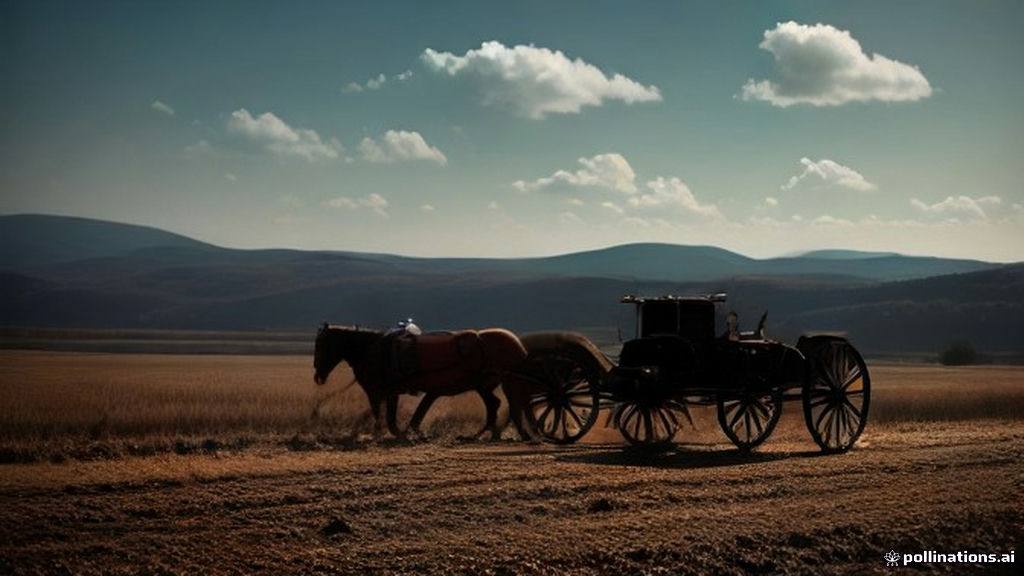
In rural Pennsylvania, traditional midwives serve as the primary point of contact for expectant mothers who often live outside the mainstream medical system. For families who rely on horse-and-buggy transportation and hold deep-seated suspicions of government-run healthcare, the kitchen-table consultations provided by midwives are often the only source of medical guidance. Devers notes that because she is embedded in the intimate lives of these families, she is uniquely positioned to address health concerns. However, under current Pennsylvania state law, traditional midwives are barred from administering vaccines, a restriction that many public health officials are now questioning in the face of the ongoing crisis.
The Human Cost of Falling Immunity
Data from the Pennsylvania Health Department underscores the severity of the situation, with nearly 100 pregnant women confirmed to have contracted measles as of mid-November. The medical consequences are often tragic; Devers recounted the experience of a patient who suffered a miscarriage shortly after contracting the virus. Beyond the risk to pregnancies, pediatric experts, including Dr. Evan Shirey of Penn State Health, report a terrifying uptick in infants requiring respiratory support, ventilators, and treatment for complications like encephalitis. The virus is not merely a public health statistic; it is causing tangible, long-term harm to the most vulnerable populations.
Key Takeaways from the Crisis
- Erosion of Herd Immunity: Nationwide, 75% of U.S. counties now fall below the vaccination threshold required to maintain community protection against measles.
- Midwife Advocacy: Experienced practitioners are calling for legislative changes to allow traditional midwives to administer vaccines, potentially closing the gap in rural access.
- High-Risk Gatherings: Despite the ongoing outbreak, large-scale community events like traditional weddings continue, posing a high risk for further viral transmission.
- Shift in Perspective: Trusted community leaders who previously held anti-vaccine sentiments are beginning to change their stance after seeing the clinical realities of the virus.
- Legislative Hurdles: Current state laws in Pennsylvania prohibit non-licensed medical practitioners from administering vaccines, creating a bottleneck in delivery efforts.
The Future of Vaccine Distribution
Experts suggest that the model used in New York—where authorities granted temporary emergency powers to allow a broader range of trained individuals to vaccinate—could serve as a blueprint for Pennsylvania. While the Health Department has focused on traditional clinical pathways, the sheer scale of the outbreak suggests that meeting patients where they are—whether in their homes or through trusted community midwives—is essential. As the state enters the traditional Amish wedding season, where large indoor gatherings are commonplace, the challenge of containing the spread remains a race against time.
Frequently Asked Questions
Why are pregnant women at higher risk during a measles outbreak?
Measles can cause severe complications for pregnant women, including an increased risk of preterm labor, low birth weight, and miscarriage. Because the MMR vaccine is a live virus vaccine, it cannot be safely administered during pregnancy, leaving these women entirely dependent on the immunity of their surrounding community.
What is the current herd immunity threshold for measles?
To prevent outbreaks of measles, a community generally requires a vaccination rate of approximately 95%. When vaccination rates drop below this level, the virus can easily find susceptible hosts, leading to the rapid, uncontrolled spread seen in communities like Lancaster County.
Can traditional midwives legally administer vaccines in the U.S.?
In most states, including Pennsylvania, traditional or unlicensed midwives are not legally authorized to administer vaccines. This is a matter of state law, and any changes would require legislative action to expand the scope of practice for these practitioners during public health emergencies.