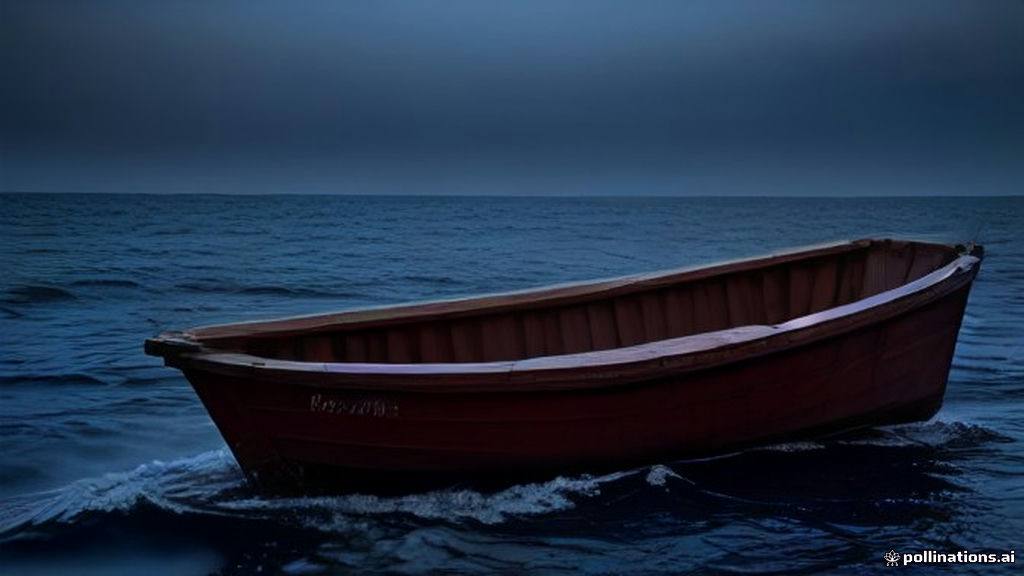
In a harrowing tale of survival that has captivated the global maritime community, 5 people found alive after drifting for three months across the vast Pacific Ocean have been rescued off the coast of Fanning Island in Kiribati. The group, which included two children, had been missing since July 30, when a routine one-hour transit between the Micronesian islands of Murilo and Ruo turned into a life-or-death struggle against the elements. The survivors were part of a larger party of nine who were pushed far off course by a sudden, violent storm shortly after their departure.
As news of the rescue breaks, searchers and families are grappling with the reality of the ordeal, with missing survivors in Micronesia, Pacific ocean rescue stories, and maritime survival against all odds trending as top queries. The discovery has sparked intense interest in the limitations of search and rescue operations in the remote Pacific, where the sheer scale of the ocean often defies even the most sophisticated recovery efforts.
The Anatomy of a Maritime Disappearance
What began as a brief local commute transformed into a three-month odyssey of survival. The original group of nine passengers faced immediate peril when their 20-foot skiff was swept into open waters. Following their disappearance, the U.S. Coast Guard initiated a massive search effort, covering more than 25,000 nautical miles across 31 distinct search patterns. Despite the exhaustive use of aerial and maritime assets, the search was officially suspended on August 10, leaving families in the Federated States of Micronesia in a state of agonizing uncertainty for weeks.
The Fanning Island Rescue
The ordeal finally concluded on November 1, when residents of Fanning Island, a remote atoll in the Republic of Kiribati, spotted the battered vessel drifting near their shores. Local villagers immediately intervened, bringing the five survivors—three adults and two children—ashore. They were placed under the care of a local church pastor, who provided immediate shelter and sustenance. Medical staff on the island reported that while the group arrived suffering from severe malnutrition and dehydration, they have since shown encouraging signs of recovery, including improved mobility and appetite.
Key Takeaways from the Pacific Ordeal
- The Initial Incident: Nine people set out on July 30 for a one-hour trip between Murilo and Ruo; a sudden storm pushed them off course.
- Exhaustive Search Efforts: The U.S. Coast Guard searched 25,000 nautical miles before suspending active operations on August 10.
- The Discovery: Residents of Fanning Island, Kiribati, spotted the drifting boat on November 1 and provided immediate life-saving care.
- The Human Cost: While five survivors were rescued, four of the original nine passengers remain unaccounted for, prompting deep condolences from authorities.
- Path to Repatriation: Alexander Narruhn, Governor of Chuuk State, is currently coordinating with the Kiribati government to bring the survivors home.
The Unanswered Questions and the Search for Closure
While the rescue of the five survivors is being hailed as a miracle, the tragedy remains incomplete. The fate of the four missing passengers haunts the narrative, and authorities have yet to release specific details regarding how the group managed to survive for three months in a small, 20-foot skiff without external supplies. The U.S. Coast Guard has confirmed they are continuing to gather information, though they have offered no immediate explanation for the disappearance of the other four individuals.
Implications for Pacific Maritime Safety
This event highlights the extreme vulnerability of small-vessel transit in the Pacific. For many islanders in Micronesia, such trips are routine, but the rapid onset of tropical storms can turn a standard commute into a survival scenario in minutes. The international community is now looking at how to improve communication and tracking for small-scale inter-island travel, as the vast geography of the Pacific remains one of the most difficult environments for search and rescue teams to monitor effectively. As the survivors prepare to return to their homes, the focus will shift toward their long-term recovery and the ongoing investigation into the missing members of their party.
Frequently Asked Questions
How did the survivors manage to stay alive for three months?
While official details regarding their survival methods have not been released, the group was found in a state of severe dehydration and malnutrition, suggesting they likely relied on limited rations and potentially rain collection to endure the three-month period.
What happened to the four people who are still missing?
Authorities, including the U.S. Coast Guard and local Micronesian officials, have confirmed that four of the original nine passengers remain unaccounted for, and an investigation into the circumstances of their disappearance is ongoing.
Where is the rescue expected to lead next?
Governor Alexander Narruhn of Chuuk state is currently in communication with the Kiribati government to arrange for the safe repatriation of the five survivors to their home islands once they are medically cleared to travel.