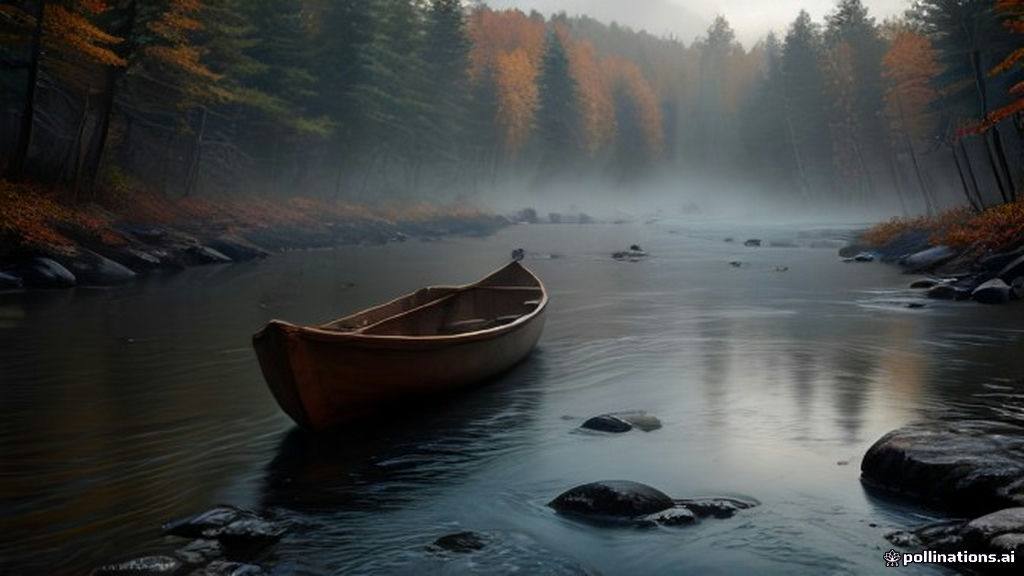
When the Continental Army’s elite riflemen plunged into the dense Northern forests in the autumn of 1775, they anticipated a brisk, high-spirited advance toward Quebec. Instead, Benedict Arnold’s Quebec expedition devolved into a horrifying gauntlet of freezing rain, dysentery, and near-total starvation that pushed America’s founding generation to the absolute brink of human mortality and endurance.
Today, modern history buffs and patriotic citizens are actively searching for details surrounding this brutal campaign, utilizing search queries such as Continental Army special operators, Revolutionary War snipers Maine wilderness, and Col. Benedict Arnold 1775 expedition. Understanding the sheer magnitude of this undertaking sheds vital light on the personal sacrifices that forged the United States long before the ink on the Declaration of Independence was ever dry.
The Birth of American Special Operations
Long before modern military units donned specialized gear, George Washington relied on frontier commandos to spearhead high-risk missions. Tasked with blazing a trail through more than 350 miles of uncharted Northern wilderness, Lieutenant Archibald Steele and his handpicked Pennsylvania riflemen acted as the nation’s very first special operators. These marksmen utilized native birchbark canoes, expert woodcraft, and legendary long rifles to clear paths, map treacherous river systems, and protect the main body of troops from potential ambushes.
However, the grand strategy quickly unraveled due to logistical failures and unforgiving geography. The trailing army of over 1,000 men depended on heavy, poorly constructed flat-bottomed boats known as bateaux. Built from unseasoned green wood by laborers of questionable loyalties, these vessels warped rapidly in the icy rapids. Water leaked continuously into the cargo holds, ruining precious gunpowder, spoiling meager food stores, and delaying the march into the freezing teeth of a New England autumn.
Starvation, Floods, and the Great Carry
By early October, the expedition reached the Great Carry—a grueling 12-mile overland trek connecting the Kennebec and Dead rivers. Continuous torrential downpours turned the landscape into an impassable quagmire of sucking mud and fallen timber. Morale initially held as soldiers laughed off slipped footing and knee-deep muck, but the relentless elements soon exacted a devastating physical toll.
- The Great Carry Quagmire: Heavy rain turned the twelve-mile portage into an exhausting swamp, forcing starving men to haul hundreds of pounds of waterlogged gear on their backs.
- The Dead River Flood: A sudden autumn gale caused the muddy river to swell eight feet overnight, washing away campsites and submerging vital provisions.
- Lost Fortunes: A heavy barrel containing gold and silver coins—earmarked to pay the troops and buy Canadian supplies—sank without a trace into the swirling rapids.
- Ration Collapse: With supply chains severed, Arnold imposed strict half-rations, reducing soldiers to a mere pint of flour per day.
- Desperate Survival Tactics: Stripped of all sustenance, the most desperate survivors eventually resorted to boiling shoe leather and consuming their own loyal hunting dogs.
The Human Cost of Liberty
As snow began to blanket the rugged Maine terrain, the expedition fractured under the weight of disease and malnutrition. Dysentery swept through the ranks like wildfire. Soldiers staggered like intoxicated men, relying entirely on their heavy rifles just to remain upright against the freezing wind. Recognizing the mortal peril facing his command, Arnold pushed forward ahead of the main column with a small scouting party to secure emergency relief from French-Canadian settlements in the Chaudière Valley.
When relief cattle finally arrived at the riverbanks, the starving troops experienced a new, unexpected danger. Skeletal, ravenous men gorged themselves instantly on the freshly butchered meat without pacing their consumption. Tragically, several soldiers who survived the grueling 350-mile march succumbed to illness shortly after their first heavy meal, illustrating the tragic irony of their hard-won salvation.
What This Means for Modern Americans
The epic test of endurance in the Maine wilderness serves as a sobering reminder of the immense human toll required to secure national independence. While textbook histories often focus on major pitched battles like Saratoga and Yorktown, the hidden struggles of frontier scouts and riflemen highlight the gritty, unglamorous foundation of American freedom. As modern historians continue to unearth these forgotten narratives through rigorous archival research and popular literature, contemporary generations gain a deeper appreciation for the resilience of the Revolutionary generation.
Frequently Asked Questions
Why did Benedict Arnold march an army through the Maine wilderness?
Col. Benedict Arnold led an expedition through Maine in late 1775 to launch a surprise attack on the British stronghold of Quebec. By seizing Quebec, the Continental Army hoped to bring Canada into the American fold and preempt any British invasion launched from the north.
What were the primary hardships faced by the Continental Army during the expedition?
Troops faced relentless cold, torrential rain, poorly constructed wooden boats, raging rapids, rampant dysentery, and severe starvation. The expedition was so brutal that soldiers were eventually forced to consume leather shot pouches and pet dogs to stay alive.
Who were the Pennsylvania riflemen on the expedition?
Handpicked by Arnold, these elite frontiersmen acted as America's first special operators. Utilizing Pennsylvania long rifles and expert woodcraft, they served as advance scouts, mapping trails and navigating treacherous waterways ahead of the main force.