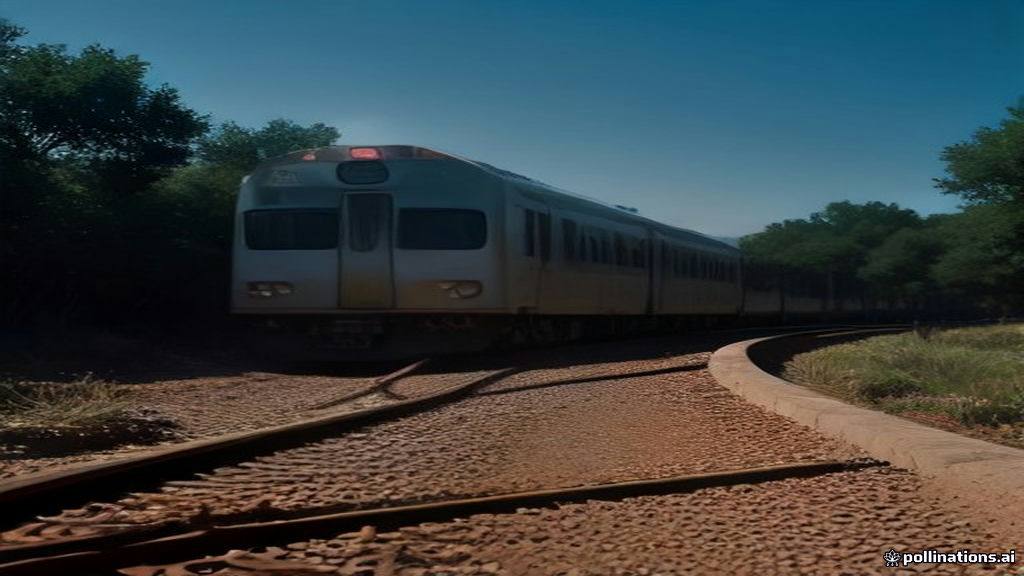
A devastating railway disaster in Spain has left 68 people dead after one high-speed train struck the rear of another in the central province of Toledo. The tragic collision near the town of Urda marks the second fatal high-speed rail accident in the country this year, severely shaking public trust in a network that spans vast track mileage second only to China.
Spain train disaster details and human error
The catastrophic wreck unfolded after a security system failed due to a computer malfunction at 8:30 a.m. along a 63-kilometer stretch of track. This technical glitch halted all rail traffic in the area, leaving a privately owned IRYO train stopped near Urda while a state-owned RENFE train waited 25 kilometers behind it.
According to Transport Minister Óscar Puente, the train engineers bore no blame for the tragedy. Instead, Puente stated that the crash resulted from an inexplicable order issued by the central command center, which instructed the RENFE train to resume movement without any speed restrictions despite an active stop signal.
At 8:53 a.m., the moving RENFE train collided with the stationary IRYO train. Hundreds of emergency workers, firefighters, police, and soldiers rushed to the olive-grove-lined crash site to rescue survivors, treat dozens of injured individuals at hospitals, and recover bodies.
Political fallout for Prime Minister Pedro Sánchez
The timing of the crash poses a severe political challenge for Prime Minister Pedro Sánchez, coming just four weeks before a critical national election. Sánchez visited the disaster site and announced a full investigation, while his government declared three days of mourning starting Thursday.
- 68 people killed in the Toledo province collision
- 46 people died in a separate January train crash in southern Spain
- 45 million travelers used the high-speed rail system last year
- Three days of national mourning declared by the government
Addressing the nation, Prime Minister Sánchez emphasized the urgency of restoring safety to the transit system. "It is clear that we need to reinforce the safety of our train service to rebuild the trust in our high-speed rail," Sánchez said. "It is not acceptable for a country like Spain to endure two high-speed train accidents in the same year."
Political reactions and election impact
The rail disaster has upended the political landscape ahead of the country's first national election since 2023. Sánchez and his Socialist party previously hoped to campaign on housing costs and rents, but they now face intense scrutiny over the state of public infrastructure alongside existing attacks on migration and corruption allegations.
Opposition leaders reacted swiftly to the tragedy. Conservative Popular Party leader Alberto Núñez Feijóo demanded a thorough investigation and canceled his campaign events out of respect for the victims. Meanwhile, far-right Vox leader Santiago Abascal launched sharp verbal attacks against the administration, criticizing the government's handling of the crisis.
Transport Minister Óscar Puente faced media questions regarding a potential resignation over the second major wreck under his tenure. Puente maintained that his sole focus remained on managing the aftermath of the collision rather than his own future.
Frequently Asked Questions
What caused the train crash in Urda, Spain?
Transport Minister Óscar Puente stated that human error from a central command order caused the crash after a computer malfunction disabled the security system, leading to a train being told to move without speed restrictions despite an active stop signal.
How many people died in the Spain train accidents this year?
A total of 68 people died in the Toledo province rear-end collision, following a previous crash in January where 46 people died when two trains collided in southern Spain.
When is the national election in Spain?
The national election is scheduled to take place four weeks after the crash, representing the country's first national vote since 2023.