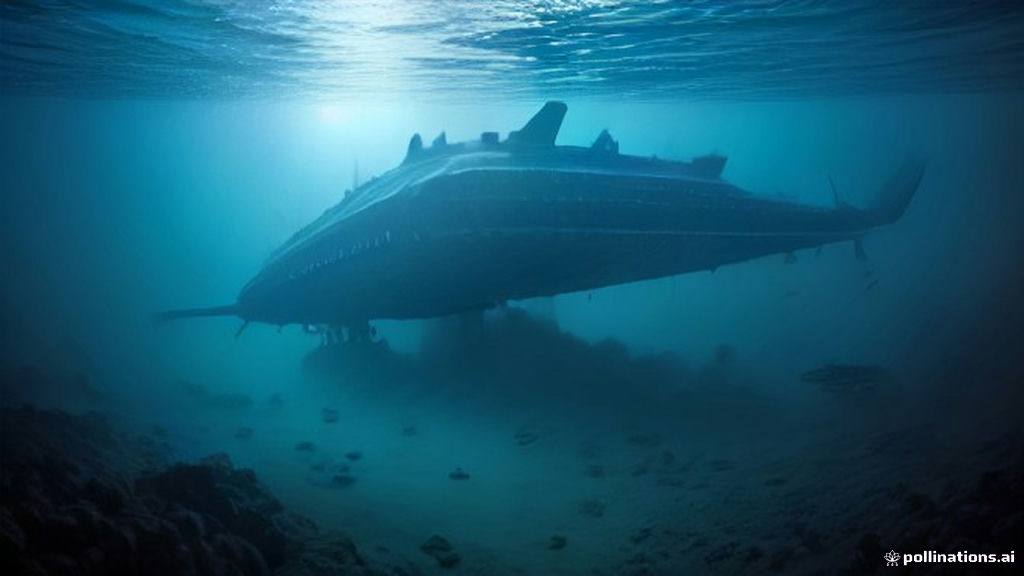
The legendary SS United States, once hailed as the fastest ocean liner to ever cross the Atlantic Ocean, has met a dramatic and carefully orchestrated end beneath the waves of the Gulf of Mexico. Launched in 1951 and stretching longer than the RMS Titanic, the historic vessel was intentionally scuttled off the coast of Okaloosa County, Florida, transforming from a rusting dockside relic into what is expected to become the largest artificial reef in the world. Rather than meeting an ignominious fate at a foreign scrap yard, the grand ocean liner took just five hours to fill with water and settle onto the ocean floor after crews removed hull plugs without the use of explosives. This historic sinking closes a poignant chapter on the golden era of mid-century transatlantic travel while opening an ambitious new chapter in marine conservation and regional tourism economics.
As maritime enthusiasts, historians, and scuba divers process the spectacle, online search traffic has spiked significantly, dominated by queries like SS United States sinking live updates, Florida artificial reef tourism economic impact, and where to dive the SS United States wreck. The sheer scale of the operation has captivated the American public, balancing the melancholy loss of a floating architectural masterpiece with the promise of a thriving underwater ecosystem. For decades, the majestic ship served as a symbol of American engineering prowess, transporting four U.S. presidents, international royalty, the Mona Lisa, and Hollywood icons across the globe before commercial aviation rendered ocean liners economically obsolete.
Engineering the World's Largest Artificial Reef
Converting a nearly 1,000-foot-long luxury liner into a safe, functional marine habitat required years of meticulous planning, environmental remediation, and multi-million-dollar investments. Okaloosa County officials spearheaded the acquisition, purchasing the ship for $1 million in 2024 through a deal brokered by the SS United States Conservancy. Before the vessel could be towed more than 20 nautical miles south of Destin's beaches, heavy industrial crews spent months stripping the hull of all toxic materials, wiring, and non-essential interior components to satisfy strict federal environmental regulations.
The objective was twofold: safeguard the delicate marine ecology of the Gulf of Mexico while engineering an accessible underwater playground for advanced recreational scuba divers. Marine biologists and local tourism planners collaborated to ensure the ship's upper decks settle at depths reachable by trained divers, creating a premier diving attraction that pairs with nearby wrecks like the legendary aircraft carrier USS Oriskany.
Economic Catalyst for the Florida Panhandle
Okaloosa County's bold investment in artificial reefing has already proven to be a lucrative economic engine. According to regional tourism director Jennifer Adams, the county's existing network of artificial reefs generates upwards of $12 million in annual economic activity, drawing thousands of overnight visitors who spend heavily on lodging, dining, diving charters, and specialized equipment.
- Historic Proportions: The SS United States is now the largest ship ever deliberately scuttled to create an artificial marine habitat.
- Dignified Preservation: Conservancy leaders chose sinking over scrapping to honor the vessel's legacy in a sustainable way.
- Environmental Safety: All hazardous materials and heavy interior fittings were thoroughly stripped prior to deployment.
- Tourism Boom: Local officials expect the multi-million-dollar investment to be fully recouped within a few short years.
- Marine Habitat: Coral polyps, fish populations, and marine life are projected to rapidly colonize the massive steel superstructure.
Economists note that the Florida Panhandle has achieved a critical mass of high-profile shipwrecks, positioning the region as the global capital for wreck-diving tourism. While experts caution against over-saturation, current demand suggests that thrill-seeking travelers will flock to the site for decades to come.
A Complex Legacy for the Gibbs Family
For Susan Gibbs, president of the SS United States Conservancy and granddaughter of the ship's visionary naval architect William Francis Gibbs, Wednesday's scuttling brought forth a heavy mix of sorrow, pride, and relief. Her grandfather dedicated his life to designing the ultra-fast, fire-resistant ocean liner, which captured the prestigious Blue Riband in 1952 by crossing the Atlantic in just three days, ten hours, and forty minutes. Watching the sleek bow slip beneath the turquoise surface of the Gulf marked a bittersweet farewell, yet family and foundation leaders agreed that resting on the ocean floor beats rusting away in Philadelphia.
Frequently Asked Questions
Where is the SS United States artificial reef located?
The wreck rests in the Gulf of Mexico, approximately 20 nautical miles off the coast of Okaloosa County in the Florida Panhandle, easily accessible from Destin.
Can recreational scuba divers explore the wreck?
Yes, the vessel was purposefully positioned so that its upper decks and superstructure fall within safe recreational diving depth limits, though advanced certifications are recommended.
How much did the project cost the local government?
Okaloosa County invested roughly $10 million into purchasing, preparing, and sinking the historic liner, an expense expected to be rapidly offset by tourism revenue.