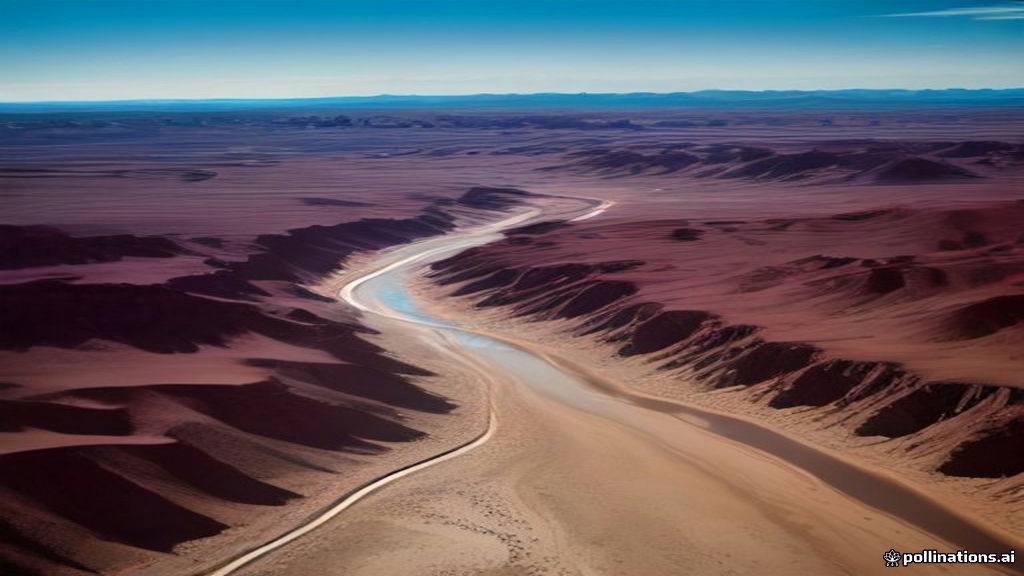
The Supreme Court on Monday cleared the way for the Trump administration to resume building a border wall and other infrastructure through a remote area of West Texas while litigation over the project moves forward. In an unsigned decision, the high court agreed to lift a lower court's injunction that had temporarily halted construction in the Big Bend sector, marking a significant development in ongoing border security legal battles.
Supreme Court Lifts Injunction on Big Bend Construction
The high court's five-page decision argued that a district court order delaying the construction of the border barrier and roads in the Big Bend region "impedes the Government from advancing its 'compelling interests' in border security and integrity." The ruling allows the Trump administration to press forward with infrastructure development while the broader legal challenges continue to wind through the courts.
Justice Ketanji Brown Jackson noted she would have denied the Justice Department's request for emergency relief. Meanwhile, the administration's legal team, led by Solicitor General D. John Sauer, warned that stopping construction along that section of the U.S.-Mexico border would carry severe operational consequences. Sauer pointed to the potential "disruption of the government's ability to secure a quarter of the southern border against cartel incursions, drug trafficking, and illegal entry."
Environmental Concerns and Legal Challenges
The project has faced fierce pushback from an environmental nonprofit, a professional riverboat guide, and a religious organization. These plaintiffs filed a lawsuit arguing that the construction will permanently alter an "irreplaceable landscape" that encompasses Big Bend National Park, Big Bend Ranch State Park, and nearly 200 miles of the Rio Grande Wild and Scenic River corridor.
Lawyers for the plaintiffs warned in court filings that "once habitat is destroyed, vegetation cleared, historic resources damaged, livelihoods and private property destroyed, and wilderness landscapes fragmented by roads, barriers, and associated infrastructure, no final judgment can restore the status quo." Prior to the Supreme Court's intervention, U.S. District Judge Kathleen Cardone had granted a preliminary injunction, finding that the secretary of Homeland Security exceeded their authority by issuing waivers to bypass environmental laws.
Department of Homeland Security Waivers and Border Security Data
To fast-track the project, the Department of Homeland Security invoked a 1996 federal immigration law. This statute grants the secretary authority to waive all legal requirements deemed necessary to ensure expeditious construction near the southern border, bypassing the typical environmental protection and historical preservation reviews.
- Big Bend Sector Scope: Covers more than 500 miles of the southern border and includes Big Bend National Park.
- Apprehension Statistics: The government reported over 89,000 apprehensions in the area between 2021 and 2025, while plaintiffs countered that Big Bend ranks last among the seven southern border sectors.
- Planned Infrastructure: Includes 30-foot bollard walls, more than 200 miles of patrol roads, and roughly 17 miles of a vehicle-barrier system.
Frequently Asked Questions
What did the Supreme Court decide regarding the Big Bend border wall?
The Supreme Court issued an unsigned, five-page decision lifting a district court's injunction, allowing the Trump administration to resume building a border wall and related infrastructure in the Big Bend region while litigation continues.
Why did the government bypass environmental laws for this project?
The Department of Homeland Security invoked a 1996 federal immigration law that allows the secretary to waive environmental protection and conservation laws to ensure the expeditious construction of barriers and roads near the southern border.
What areas are affected by the Big Bend border project?
The Big Bend sector covers more than 500 miles of the southern border, including Big Bend National Park, Big Bend Ranch State Park, and nearly 200 miles of the Rio Grande Wild and Scenic River corridor.