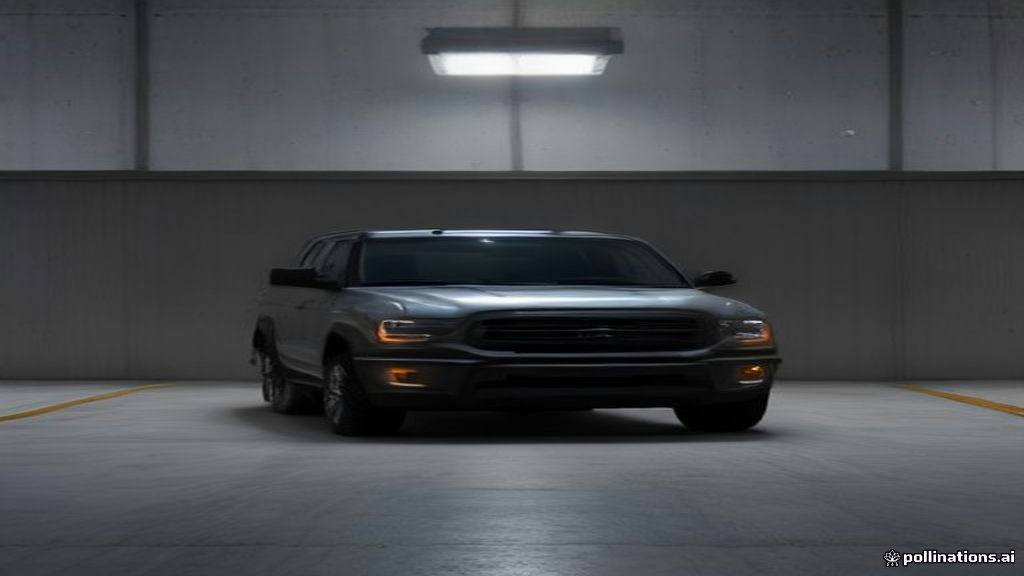
Tesla CEO Elon Musk has announced that the company will reach its Tesla Cybertruck production end by the middle of 2027. The news, shared via the social media platform X on Friday, indicates a major strategic pivot for the electric vehicle manufacturer as it moves away from its stainless-steel pickup truck to focus on autonomous transportation technology.
According to Musk, the decision to wind down operations at the Tesla Texas factory is intended to "make room for increased Cybercab production." This shift signals a transition from consumer-focused utility vehicles to the highly anticipated Tesla self-driving taxi fleet.
A Strategic Shift to the Cybercab
The announcement places a definitive expiration date on one of the most polarizing vehicles in automotive history. By mid-2027, assembly lines at the Austin-based gigafactory—the only facility currently producing the pickup—will be repurposed. This reallocation of resources is central to Tesla's goal of scaling the Elon Musk Cybercab.
While the Cybertruck was once the centerpiece of Tesla's future lineup, the company is now prioritizing the autonomous taxi market. This transition comes as the automaker seeks to streamline its manufacturing footprint in Texas to accommodate the next generation of robotic transit.
The Rise and Fall of the "Rolling Fortress"
Tesla first introduced the Cybertruck in 2019, immediately garnering global attention for its unconventional, boxy aesthetic. During its unveiling, the company marketed the vehicle as a "rolling fortress" designed for extreme durability. Key features emphasized during its development included:
- Stainless-Steel Exterior: A rugged frame designed to withstand impact.
- Towing Capacity: A robust 14,000-pound limit for heavy-duty tasks.
- Defensive Capabilities: Claims that the body could resist damage from sledgehammers and even small arms fire.
Despite the excitement surrounding its 2019 debut, commercial production did not begin until 2023. Since then, the vehicle has been plagued by various quality control issues and has been the subject of numerous Cybertruck recalls.
Analyzing Cybertruck Sales 2025 Data
Financial and delivery performance likely played a role in the decision to end production. When the vehicle first launched, Elon Musk projected that Tesla would eventually sell 250,000 units every year. However, actual market performance has not met those lofty expectations.
According to figures provided by Kelley Blue Book, Cybertruck sales 2025 reached only 20,237 units. This was a significant drop from the 38,965 vehicles sold during the prior year. When the truck first hit the market, the Cybertruck price started at $60,990, but the combination of high costs and declining demand appears to have shortened its lifespan.
Political Controversy and Brand Challenges
In recent months, the Cybertruck has transcended its status as a vehicle to become a flashpoint for political discourse. Musk’s involvement in the Trump administration as a leader of the Department of Government Efficiency has led to increased scrutiny of his companies.
This political association resulted in several instances of public backlash. Some Tesla dealerships reported that Cybertrucks were targeted by vandals as a form of protest against Musk's government role. These external pressures, combined with the technical hurdles of the stainless-steel design, have contributed to the decision to sunset the model in favor of the Tesla self-driving taxi program.
Frequently Asked Questions
When is the Tesla Cybertruck production end date?
Tesla plans to stop manufacturing the Cybertruck at its Texas gigafactory by the middle of 2027.
Why is Elon Musk ending Cybertruck production?
The production is being phased out to create more manufacturing capacity for the Cybercab, which is Tesla's new autonomous self-driving taxi.
How many Cybertrucks were sold compared to Musk's goals?
While Musk originally predicted sales of 250,000 units per year, Tesla sold 38,965 in 2024 and only 20,237 in 2025.