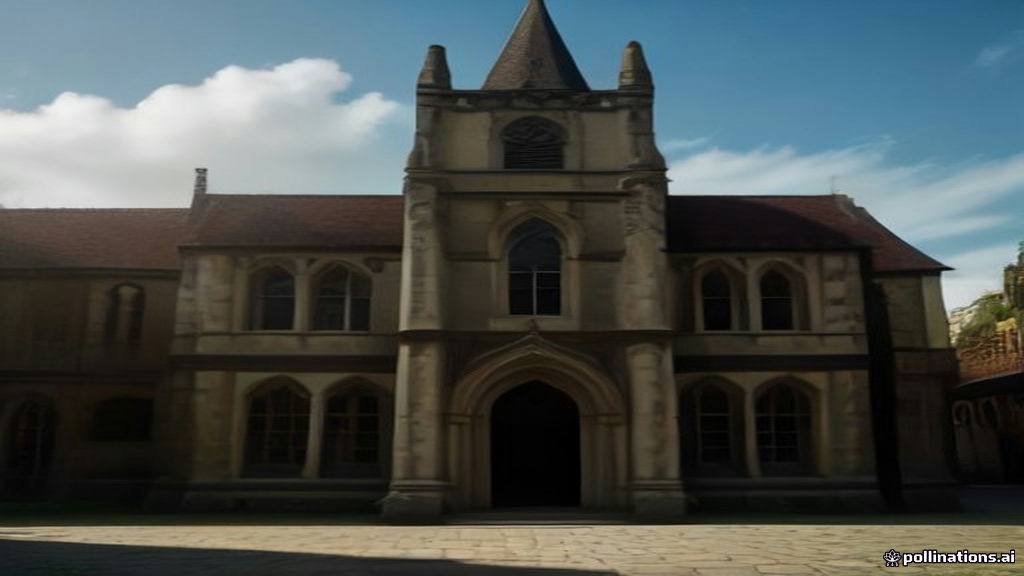
A dedicated movement in the United Kingdom is currently lobbying the government and planning to petition King Charles III to grant official pardons to women executed for witchcraft centuries ago. Located just outside of London in southern England, the town of Maidstone is the focal point of this modern campaign to overturn historical miscarriages of justice.
Maidstone's Dark Historical Legacy
Around 400 years ago, Maidstone served as a primary location for intense witch hunts during a period when such trials peaked across England during the 1600s. Historical records indicate that over 20 women convicted of witchcraft faced the gallows in Maidstone. Across England and Scotland combined, approximately 5,000 women suffered execution by hanging or burning after facing witchcraft convictions.
Local leaders point out specific demographics that made these historical figures vulnerable to prosecution. Claire Kehily, a member of the Maidstone Borough Council, noted that targets were typically single women, spinsters, or widows who lacked male protection, making them easier targets for accusation. Kehily displayed a reconstructed medieval prison cell inside Maidstone's town hall where accused individuals were once held before trial.
The Fight for an Official Pardon
While America's famous 1690s witch trials in Salem, Massachusetts, eventually led to full pardons for all falsely accused individuals, the United Kingdom has yet to exonerate a single convicted witch. Maidstone councilors argue that securing an official pardon from King Charles III is vital for addressing a profound historical wrong.
Key facts regarding the movement:
* More than 20 women were hanged for witchcraft in Maidstone.
* Approximately 5,000 women were executed for witchcraft across England and Scotland.
* Salem, Massachusetts has already pardoned all of its accused witches, while the UK has pardoned none.
* Maidstone Museum preserves original documents, including an official 1652 witch trial record.
Scapegoating the Vulnerable in History
Samantha Harris, collections manager at the Maidstone Museum, highlighted a 1652 trial record to explain how communities historically pinned natural disasters, illnesses, and the deaths of livestock on vulnerable residents. Harris emphasized that independence and single status were viewed as threatening traits during the 17th century. Supporters of the petition believe that addressing these historical events offers important lessons for preventing modern scapegoating.
Frequently Asked Questions
Why are campaigners seeking pardons for UK witches?
Campaigners argue that the executions were severe miscarriages of justice because the accused could not have been guilty of the crimes and lacked any legal avenue to prove their innocence.
How many women were executed for witchcraft in England and Scotland?
Historical estimates show that around 5,000 women convicted of witchcraft were executed across England and Scotland, with over 20 of those hangings taking place in Maidstone.
Have witches been pardoned in other countries like the United States?
Yes, all of the falsely accused witches involved in the famous 1690s trials in Salem, Massachusetts, have since received official pardons, whereas the U.K. has not yet exonerated any convicted witches.