The International Atomic Energy Agency (IAEA) is signaling deepening alarm as it remains locked out of a critical, clandestine uranium enrichment facility in Isfahan. The U.N. nuclear watchdog’s latest quarterly report highlights an "increasingly concerned" posture regarding the Isfahan Fuel Enrichment Plant (IFEP), where international inspectors have been denied access for months. This standoff occurs as the U.N. watchdog agency pushes for access to key Iran nuclear site while the Trump administration maintains an increasingly detached stance toward formal diplomatic resolutions, despite ongoing military hostilities in the region.
Trending searches currently dominating the discourse include IAEA Iran inspections, Isfahan nuclear facility status, Trump Iran war policy, Strait of Hormuz mine threat, and U.S.-Iran diplomatic stalemate. These queries reflect growing public anxiety over the intersection of nuclear proliferation risks and the unpredictable volatility of the ongoing air war.
The Mystery of the Isfahan Tunnel Complex
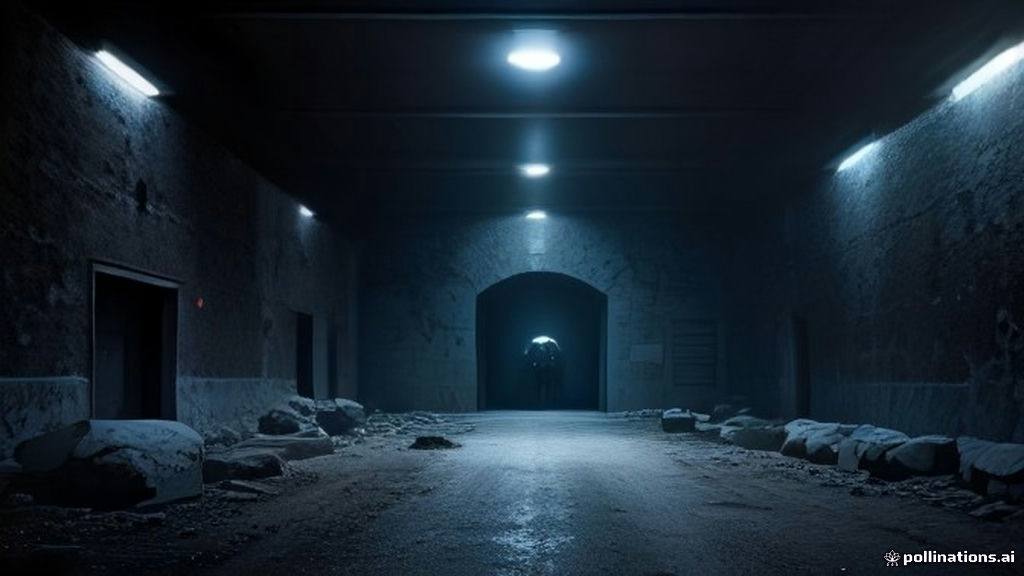
The IAEA’s concern is rooted in a lack of transparency regarding the IFEP’s current operational state. Since June 2025, when U.S. and Israeli airstrikes targeted Iranian nuclear infrastructure, satellite imagery has captured consistent vehicular activity around the entrance to a tunnel complex in Isfahan. The agency suspects this site may house a portion of Iran’s stockpile of highly enriched uranium, estimated at roughly 900 pounds. However, without direct verification, the IAEA cannot confirm the site's status, its exact location for safeguard purposes, or the presence of nuclear material.
Tehran has justified the blockade by citing "acts of aggression" and the ongoing military conflict, arguing that normal safeguard protocols are "legally untenable." This creates a dangerous information vacuum where the international community is left to rely on reconnaissance rather than verifiable data.
Strategic Shift: The White House Stance
President Trump has recently signaled a pivot in his administration’s approach, declaring that the United States does not require a formal deal with Iran. This rhetoric marks a significant departure from previous efforts to contain Iran’s nuclear ambitions through structured negotiations. By instructing Vice President JD Vance to shift focus toward domestic policy rather than the Iran conflict, the administration appears to be betting that the military degradation of Iran’s industrial base has neutralized the immediate threat, regardless of the remaining stockpile.
- IAEA Access Denial: Tehran continues to bar inspectors from the Isfahan facility, citing the ongoing military conflict as a justification for suspending safeguard protocols.
- Satellite Evidence: The U.N. watchdog reports persistent vehicular activity at the tunnel complex, fueling suspicions that sensitive nuclear materials remain hidden.
- Regional Instability: Tensions have spilled into the Strait of Hormuz, with reports of naval mines and attacks on tankers disrupting critical international shipping lanes.
- Diplomatic Deadlock: While reports suggest U.S. officials may have sought Russian mediation, the White House has remained silent, and Iran insists it will not surrender nuclear material.
- Domestic Pivot: The Trump administration has explicitly deprioritized reaching a new nuclear deal, pivoting the Vice President's attention to domestic political agendas.
Escalating Risks in the Strait of Hormuz
Beyond the nuclear dossier, the conflict continues to manifest in the Strait of Hormuz, a vital artery for global energy supplies. The Islamic Revolutionary Guard Corps (IRGC) has repeatedly claimed to target vessels and U.S.-linked radar systems, asserting its control over the waterway. These reports, combined with the U.S. naval blockade of Iranian ports, create a volatile environment where a single miscalculation could trigger a broader regional escalation. The U.S. military maintains that it has cleared the routes of mines, but the frequent reports of explosions suggest that the maritime threat remains persistent.
What Lies Ahead for the Nuclear Standoff?
As the war enters its eighth month, the disconnect between the IAEA’s technical concerns and the Trump administration’s political strategy is growing. If the U.N. agency cannot secure access to the Isfahan site, the international community faces the prospect of an unchecked nuclear program operating behind a veil of wartime secrecy. Whether this leads to renewed diplomatic pressure or a further hardening of military postures remains the defining question of the current crisis.
Frequently Asked Questions
Why is the IAEA concerned about the Isfahan site?
The agency is concerned because it lacks physical access to verify the contents of an underground facility suspected of housing highly enriched uranium, leaving them unable to guarantee that nuclear material is not being diverted.
What is the current status of the Iran nuclear deal?
There is no active deal. President Trump has publicly stated that the U.S. does not need a new agreement, effectively deprioritizing the nuclear issue in favor of domestic political concerns.
How is the war affecting the Strait of Hormuz?
The conflict has turned the strait into a site of frequent skirmishes, with Iran attempting to enforce an authorization requirement for ships and conducting attacks on vessels, while the U.S. enforces a naval blockade.