Mediators from Qatar arrived in Tehran on Friday in a renewed attempt to facilitate a US-Iran peace deal, even as President Donald Trump maintains his public stance of keeping major military strikes on the table. The high-level diplomatic push occurs against a backdrop of escalating maritime hostilities and a growing number of American military casualties in the region.
Qatar Leads Diplomatic Push in Tehran
A delegation from Qatar, led by a senior adviser to the prime minister and foreign minister, returned to the Iranian capital on Friday. According to reports from the state-run IRNA news agency, as well as Reuters and AFP, the mediators are scheduled to meet with top-tier Iranian officials to discuss regional developments and bilateral relations. This visit follows the presentation of a new draft deal by Qatari officials earlier this week, aimed at ending the eight-month-old conflict.
However, the path to a US-Iran peace deal remains fraught with significant hurdles. A senior Iranian official described the ideas brought by the Qatari delegation as "unacceptable," indicating that Tehran is unwilling to alter its position on nuclear issues—a core requirement for the Washington administration. Despite the friction, Iranian Foreign Minister Abbas Araghchi signaled that the regime "continues to give diplomacy a chance to succeed," as they review proposals previously floated by Tehran.
Maritime Incidents in the Strait of Hormuz
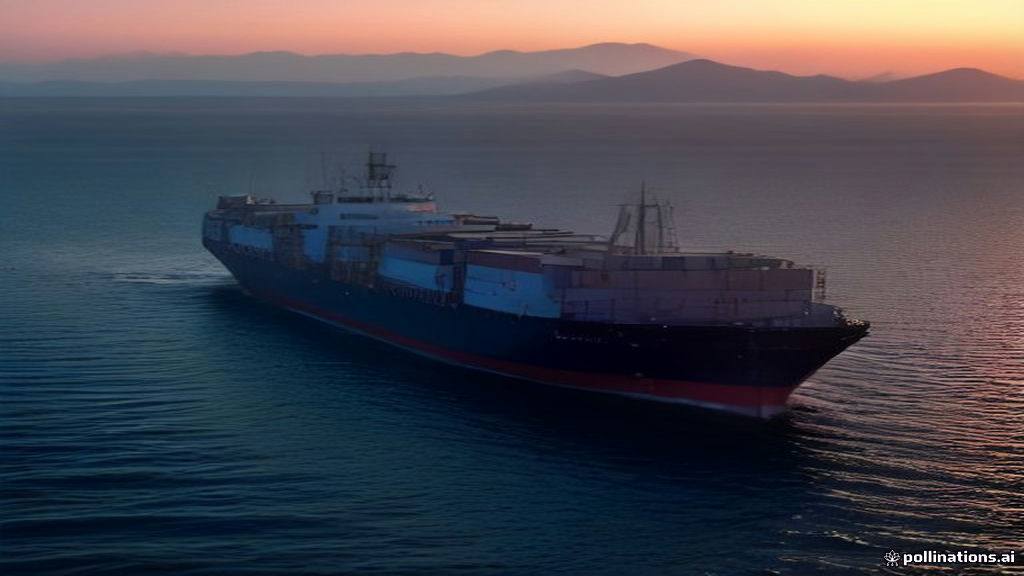
While diplomats meet in Tehran, the Strait of Hormuz remains a flashpoint for physical conflict. The United Kingdom Maritime Trade Operations (UKMTO) reported that a tanker was struck by a projectile on Thursday evening. The vessel was reportedly using the southern shipping route, a path the United States has encouraged international shipping firms to utilize to avoid tensions.
This projectile strike coincided with claims from the Islamic Revolutionary Guard Corps (IRGC) that four separate tankers had struck sea mines in the same waterway. The IRGC reported that these incidents resulted in fires aboard the ships. While it remains unclear if the ship reported by the UKMTO was among the four mentioned by Iranian forces, the incidents have further complicated the security situation in one of the world's most critical energy corridors.
The Controversy Surrounding the JD Vance Letter
A point of contention has emerged regarding a letter sent by Vice President JD Vance to Mohsen Rezaei, a prominent figure in the Iranian regime and secretary of the Supreme National Security Council. While various news outlets have characterized the outreach as an attempt to jumpstart peace negotiations, President Donald Trump has pushed back against that narrative.
Speaking to reporters this week, the President stated that the correspondence was strictly limited to facilitating the delivery of medical supplies into Iran. Iranian media, including the semi-official Tasnim news agency, reported that Tehran has not yet issued a response to the letter. Tasnim further noted that the Iranian government is not prepared to abandon its primary conditions for a ceasefire, which include:
- The lifting of the American blockade on Iranian ports.
- The removal of sanctions targeting the sale of gas and oil.
- Restoring access to frozen financial assets held in foreign accounts.
US Military Casualties and Regional Conflict
The human cost of the ongoing hostilities continues to rise. The Pentagon recently updated the official death toll for U.S. service members to 23 since the war began. This update included two airmen whose deaths were classified as non-hostile. One airman reportedly died of an illness, while the other's cause of death remains under investigation.
According to the Defense Casualty Analysis System (DCAS), the breakdown of the 23 fatalities is as follows:
* 11 service members killed by enemy fire.
* 12 service members deceased due to non-hostile circumstances, including accidents and sickness.
These casualties are now listed under the category of Overseas Operations. This change in terminology follows the conclusion of Operation Epic Fury, which Secretary of State Marco Rubio declared finished in May.
In addition to the direct conflict between the U.S. and Iran, regional proxies remain active. A Saudi-led coalition announced on Friday that it had successfully intercepted a drone in the Mecca region. The drone was allegedly launched by Houthi rebels in Yemen, an Iran-backed group. While the coalition labeled the act a terrorist attempt, Houthi military spokesperson Yahya Saree denied the operation, claiming the group only targets military bases and oil facilities within Saudi Arabia.
Frequently Asked Questions
What is the current U.S. military death toll in the conflict with Iran?
As of the latest Pentagon update, 23 U.S. service members have died since the war began eight months ago. This total includes 11 combat-related deaths and 12 deaths resulting from non-hostile causes such as illness or accidents.
What was the purpose of the letter sent by JD Vance to Iran?
President Donald Trump stated the letter was specifically intended to coordinate the delivery of medical aid to Iran. However, other reports suggested the outreach was an attempt to restart broader peace negotiations between the two nations.
What are Iran's primary demands for a ceasefire?
Tehran has maintained that any deal must include the lifting of the U.S. blockade on its ports and the removal of sanctions on oil and gas sales. Additionally, Iran is seeking the release of its frozen financial assets held in international banks.