A multigenerational cattle ranch in the Pacific Northwest is currently locked in a high-stakes legal battle with government regulators that could eventually reshape the American judicial landscape. The Washington state rancher lawsuit, brought by Wade and Teresa King, challenges hundreds of thousands of dollars in fines and raises fundamental questions about the right to a jury trial when facing agency enforcement.
At the heart of the dispute is the King Ranch, which operates across Grant County and Douglas County. The family, which has been ranching in the region since the 1950s, claims that the state’s environmental mandates represent an "existential threat" to their livelihood and the future of their descendants, who now span six generations on the land.
The Dispute Over Stockwater Ponds and Wetlands
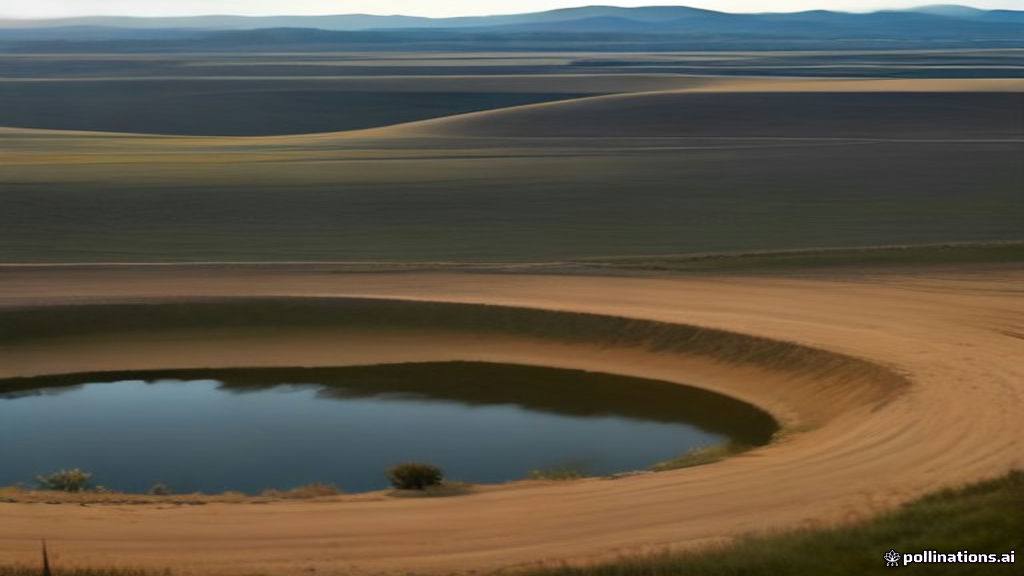
In 2023, the Washington State Department of Ecology leveled a $267,540 fine against the Kings. State officials alleged that the ranchers damaged 23 naturally occurring wetlands in Grant County while excavating and recontouring land to create water sources for their cattle. According to the department, the activity impacted approximately 6.37 acres of regulated environment.
The Kings, however, fundamentally disagree with the state's classification of the land. They maintain that the areas in question are stockwater ponds necessary for livestock operations, not protected wetlands. While the Department of Ecology used satellite imagery and aerial photos dating back to 1949 to support its claims, the Kings argue the areas have long served as vital infrastructure for their ranch.
The financial burden extends far beyond the initial fine. Attorneys for the family estimate that complying with the state's restoration orders—which now include 34 total areas across two counties—could cost more than $3.7 million. Teresa King expressed concern that the orders are functionally impossible to meet because the land does not possess the natural characteristics the state is demanding they restore.
A Challenge to Administrative Law
The Washington state rancher lawsuit has moved from a local environmental disagreement into a significant constitutional challenge regarding how citizens can defend themselves against state agencies. When the Kings attempted to contest the Department of Ecology fines, they were directed to the Pollution Control Hearings Board (PCHB).
The PCHB is an administrative panel within the executive branch rather than a traditional court of law. Because this board does not offer jury trials, the Kings argue their constitutional rights are being bypassed. Wade King noted that the board members are appointed by the governor and often side with the agencies they oversee, creating what he views as an inherently unfair process for property owners.
In March, the family filed a separate suit in Grant County Superior Court to secure a jury trial. Although a judge initially dismissed that lawsuit, ruling that the administrative process must be completed first, the Kings have since appealed. In September, a Washington Court of Appeals commissioner issued a stay, pausing the PCHB proceedings while the court determines if the family is entitled to a jury trial.
Potential Path to the U.S. Supreme Court
The legal team representing the Kings, led by Oliver Dunford of the Pacific Legal Foundation, is prepared to take the case to the highest court in the land. The core of their argument rests on the Seventh Amendment, which guarantees the right to a jury trial in certain civil cases.
If the case reaches the U.S. Supreme Court, it could set a major precedent for how state agencies across the country handle enforcement and fines. A ruling in favor of the Kings would prevent executive branch agencies from acting as both prosecutor and judge in cases involving significant financial penalties.
Key facts regarding the King Ranch case include:
* Initial Fine: $267,540 issued in 2023.
* Total Areas Targeted: 34 locations across Grant and Douglas counties.
* Estimated Restoration Cost: Up to $3.7 million.
* Family History: Ranching in the area since the 1950s, currently involving the 4th through 6th generations.
* Legal Representation: The Pacific Legal Foundation.
Environmental Stewardship vs. Regulation
The Kings argue that their interests are naturally aligned with the health of the land, as their livelihood depends on it. They contend that the stockwater ponds vs wetlands designation is being used by the state to exert greater authority over private property. Wade King questioned why a generational ranching family would intentionally harm the resources they rely on daily.
"Losing this fight would be an existential threat," Wade said. He further questioned the logic of the state's restoration demands, asking, "How are we supposed to make wetlands from non-wetlands?"
As the Court of Appeals reviews the case, the outcome remains a critical watchpoint for agricultural operations nationwide. A victory for the Kings could reinforce the Seventh Amendment jury trial protections for property owners facing similar administrative actions in other states.
Frequently Asked Questions
Why was the King family fined by the state?
The Washington State Department of Ecology issued the fine after alleging the Kings damaged 6.37 acres of naturally occurring wetlands by excavating and filling them to create ponds for their cattle.
What is the difference between stockwater ponds and wetlands in this case?
The Kings argue the areas are exempt stockwater ponds used for livestock, while the state claims they are regulated wetlands, a designation that gives the government more authority over how the land is managed.
How could this case affect the U.S. Supreme Court?
If the case is appealed to the Supreme Court, it could lead to a ruling on whether the Seventh Amendment requires states to provide jury trials for citizens facing significant administrative fines from government agencies.